 IN
IN
 SG
SG
 ES
ES
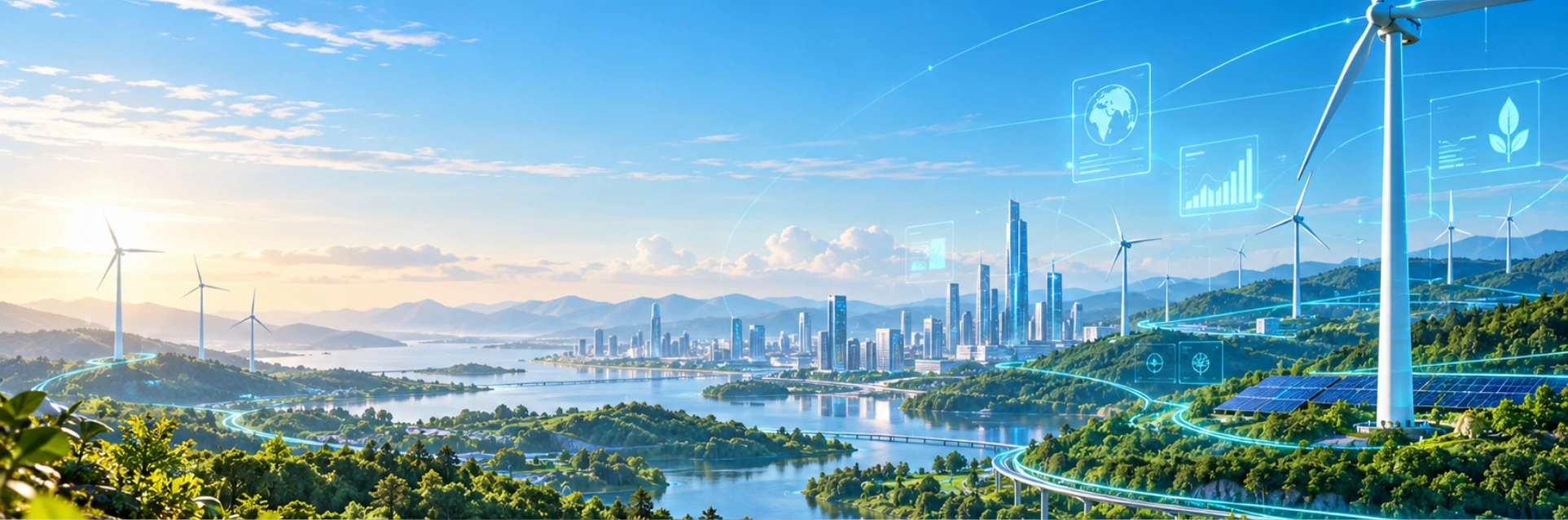
Our planet is changing. Climate change is affecting the environment, communities, businesses and economies around the world. Sustainability gives us a way to understand these challenges and take meaningful action today.
For thousands of years, people have depended on the Earth for food, water, energy, materials and a place to live. We have built cities, businesses, industries and communities using the resources around us.
But the world around us is changing. Temperatures are rising, weather patterns are changing, glaciers are melting, sea levels are rising and many communities are experiencing the effects of extreme weather.
Climate change can sometimes feel like a problem for the future. In reality, many of its effects are already being observed today.
The choices we make today can influence the world that future generations inherit tomorrow.
Our Planet Is Changing
One of the biggest environmental challenges facing the world today is climate change. The Earth’s climate has always changed naturally over very long periods, but human activities have greatly increased the amount of greenhouse gases in the atmosphere.
Burning fossil fuels for energy and transport, industrial activity, changes in land use and other human activities contribute to greenhouse-gas emissions. These gases trap heat and contribute to a warming planet.
How Is Climate Change Affecting Our World?
Climate change does not affect every place in exactly the same way. Different regions face different risks depending on geography, infrastructure, ecosystems and local conditions.
Some of the changes being observed around the world include:
>> Higher temperatures and more frequent periods of extreme heat
>> Changes in rainfall and water availability
>> Melting glaciers and changes in ice cover
>> Rising sea levels
>> Warming oceans
>> Increased risks from drought and wildfires in some areas
>> More damaging impacts from certain extreme weather events
These changes can affect much more than nature. They can influence agriculture, water supplies, health, infrastructure, communities, supply chains and business operations.
The Numbers Tell a Story
2015–2025 — WMO reports these as the hottest 11 years on record.
1.43°C — WMO reports that 2025 was approximately 1.43°C above the 1850–1900 average.
423.9 ppm — WMO reported approximately this atmospheric CO₂ concentration for 2024.
These numbers are not simply statistics. They help us understand how the Earth’s climate system is changing and why action matters.
Why Are Sustainability Initiatives Important?
Sustainability is a simple idea at its heart: how can we meet the needs of people today without making it harder for future generations to meet their needs?
For organizations, sustainability can mean looking carefully at how they use resources, how they affect people and communities, how they manage risks and how they create value over the long term.
Reduce Environmental Impact
Organizations can reduce emissions, improve energy efficiency, use renewable energy where appropriate, reduce waste, protect ecosystems and use natural resources more responsibly.
Use Resources Responsibly
Water, energy, land and raw materials are valuable resources. Using them efficiently can help organizations reduce waste while supporting long-term resilience.
Consider People and Communities
Sustainability is also about people. Human rights, safe working conditions, employee wellbeing, community impact, diversity and responsible supply chains are all part of the wider picture.
Build Responsible Organizations
Strong governance helps organizations make responsible decisions. Transparency, accountability, ethics and effective risk management are important parts of sustainable business.
Sustainability Is More Than Climate Change
When people hear the word sustainability, they often think about recycling, renewable energy or climate change. These are important, but sustainability is much broader.
Environmental
How we protect the environment, reduce emissions, manage resources and protect biodiversity.
Social
How organizations affect employees, communities, customers and society.
Governance
How organizations are managed responsibly, ethically and transparently.
Together, these areas are commonly discussed through the term ESG — Environmental, Social and Governance.
What Happens If We Do Nothing?
Climate change does not mean that every place will experience the same impact. However, higher levels of warming generally increase climate-related risks and can make adaptation more difficult.
The effects can reach into everyday life. Farmers may face changing growing conditions. Communities can face greater pressure from heat, floods or water shortages. Businesses can experience disruptions to facilities and supply chains. Governments and organizations may need to invest more in resilience and adaptation.
This is why sustainability is not simply about protecting nature. It is also about preparing communities and organizations for a changing world.
The Business World Has an Important Role
Businesses use energy, materials, transportation, buildings, technology and supply chains. They also influence the products and services people use every day.
This means businesses have opportunities to make sustainability part of everyday decision-making. For example, an organization can look at its energy use, emissions, waste, procurement, employee practices, suppliers and governance processes.
Sustainability can therefore become part of business strategy rather than something that sits separately from the rest of the organization.
There Is Also an Opportunity
The sustainability challenge is significant, but it also creates opportunities for innovation and new ways of doing business. These include:
>> Renewable energy and clean technologies
>> Energy efficiency
>> Circular economy solutions
>> Sustainable finance
>> Low-carbon products and services
>> Sustainable supply chains
>> Climate technology
>> ESG data and analytics
>> Nature and biodiversity solutions
The transition also creates a growing need for people who understand sustainability and know how to turn sustainability goals into practical action.
The Growing Need for Sustainability Professionals
A sustainability strategy is only useful when people have the knowledge and skills to put it into practice.
Organizations increasingly need professionals who can work across areas such as:
>> Climate and carbon management
>> ESG reporting and disclosures
>> Sustainability strategy
>> ESG data and analytics
>> Sustainable finance
>> Supply-chain sustainability
>> Climate risk
>> Biodiversity and nature
>> Social sustainability
This means sustainability is not only an environmental responsibility. It is also becoming an area where new skills, careers and professional opportunities can develop.
What Can Individuals Do?
It is easy to think that climate change is too large for one person to influence. Individual actions alone will not solve a global challenge, but everyday choices can contribute to wider change when millions of people make them.
>> Reduce unnecessary consumption
>> Use energy and water responsibly
>> Reduce and reuse where possible
>> Learn more about sustainability
>> Choose responsible products and services where practical
>> Support sustainability initiatives in your community or workplace
What Can Businesses Do?
Businesses can start by understanding where their biggest environmental and social impacts come from. Practical steps can include:
>> Measure environmental impacts and emissions
>> Identify areas where resources can be used more efficiently
>> Set realistic sustainability goals
>> Improve waste and energy management
>> Review supply-chain practices
>> Consider climate and other sustainability risks
>> Improve sustainability data and reporting
>> Give employees opportunities to contribute to sustainability initiatives
What Can Sustainability Professionals Do?
Professionals have an important role in turning sustainability from an idea into measurable action.
Whether someone works in finance, technology, engineering, consulting, supply chain, data, risk or environmental management, sustainability knowledge can add value to an existing career.
Professionals can develop ESG knowledge, gain practical experience, learn relevant standards and frameworks, build specialized skills and contribute to sustainability projects.
The Future We Want to Leave Behind
When we talk about sustainability, we are ultimately talking about the future.
The decisions made today will influence the environment, communities and economies that future generations inherit.
We may not be able to solve every sustainability challenge immediately. But we can measure, learn, improve and take action.
A sustainable future is not created by one person or one organization. It is built through millions of better decisions and practical actions taken over time.
From Awareness to Action
Understanding climate change is the first step. The next step is action.
Organizations need sustainability strategies. Businesses need the right capabilities. Professionals need opportunities to apply their knowledge and skills.
Connect Sustainability Expertise With Opportunity
Sustainability Connect is designed to help connect sustainability professionals and organizations. Professionals can showcase their skills and experience, while organizations can discover sustainability and ESG talent for their needs.
If you are a sustainability professional, ESG specialist or someone building a career in sustainability, create your profile and showcase what you can contribute.
Frequently Asked Questions
What is sustainability?
Sustainability means meeting today’s needs while considering the ability of future generations to meet their own needs. It includes environmental, social and economic considerations.
Why is sustainability important?
Sustainability is important because natural resources, communities and economies are connected. Responsible decisions today can help reduce environmental and social risks and support a more resilient future.
What are the major impacts of climate change?
Observed impacts include rising temperatures, changing rainfall patterns, glacier and ice loss, sea-level rise, ocean warming and increased risks from some extreme weather events.
What is ESG?
ESG stands for Environmental, Social and Governance. It is commonly used to describe how organizations consider environmental and social factors and governance practices alongside business activities and decision-making.
How can businesses become more sustainable?
Businesses can begin by measuring their impacts, identifying priorities, setting goals, improving resource efficiency, strengthening supply chains, improving sustainability data and involving employees in sustainability initiatives.
Sources & Further Reading
>> World Meteorological Organization — State of the Global Climate 2025
>> NASA — Effects of Climate Change
>> UNEP — Emissions Gap Report 2025