 IN
IN
 SG
SG
 ES
ES
Our planet is changing. Climate change is affecting the environment,...
Latest News & Updates
Think Beyond Today. Invest in a Sustainable Tomorrow with SAMESG® Reporting
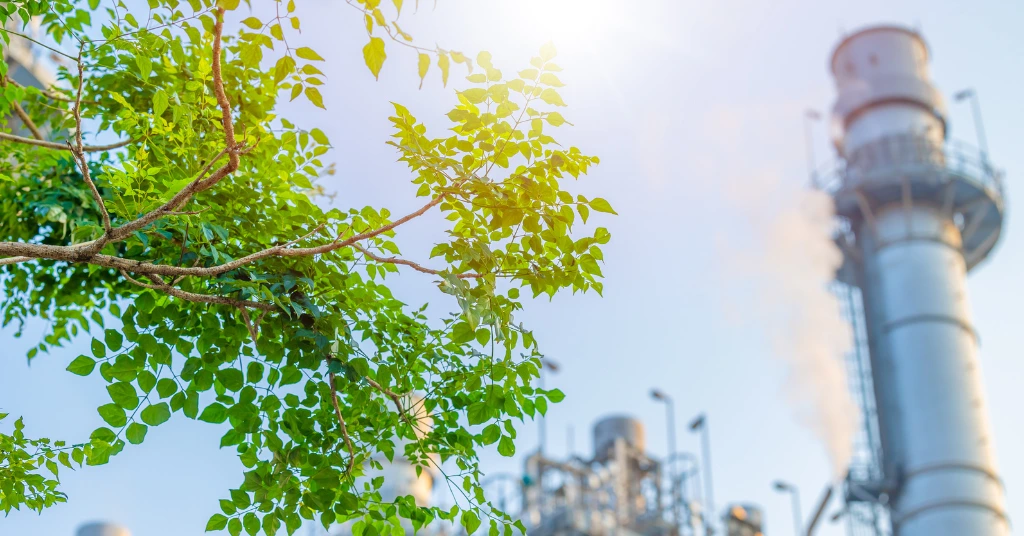
The European Commission has unveiled a new policy framework aimed at strengthening domestic clean technology manufacturing by introducing “low-carbon” and “made-in-EU” requirements across key industrial sectors. The initiative forms part of the proposed Industrial Accelerator Act, designed to enhance Europe’s competitiveness in the global clean technology market.
Under the proposed rules, public procurement and government support schemes will prioritize technologies and materials that are produced within the European Union and meet low-carbon standards. The policy will apply to strategic sectors including batteries, solar panels, wind turbines, heat pumps, electrolyzers, nuclear technologies, and electric vehicles, as well as industrial materials such as steel, cement, and aluminum used in automotive and construction industries.
The framework also introduces conditions for large foreign investments exceeding €100 million in strategic clean-tech sectors when investors come from countries that dominate global manufacturing capacity. These provisions aim to safeguard supply chains, promote local production, and reduce dependency on external markets.
In addition, the proposal seeks to streamline industrial project approvals by requiring EU member states to establish a single digital permitting system and create Industrial Acceleration Areas to support clusters of clean manufacturing projects and critical energy infrastructure investments.
The proposed legislation will now be submitted to the European Parliament and Council for negotiation before it can be formally adopted. If implemented, the initiative is expected to play a key role in accelerating Europe’s transition toward a competitive, low-carbon industrial economy while reinforcing the objectives of the European Green Deal.
Share
Read Our Resources
Explore more resources